
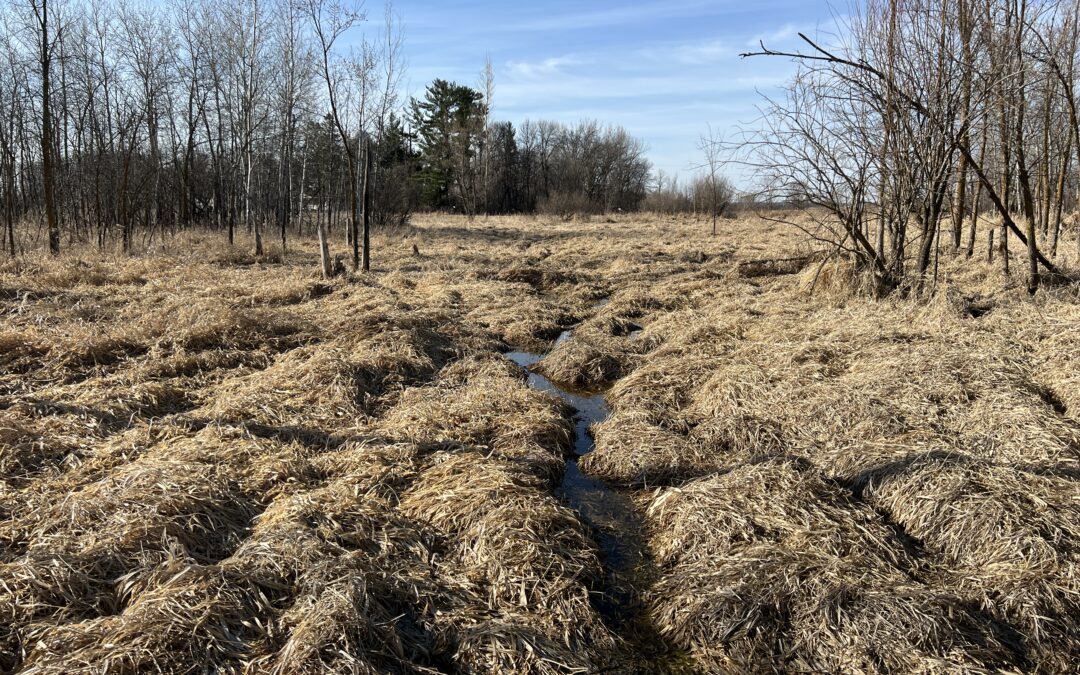
Some of the most ecologically valuable stream systems sit outside the reach of the regulatory tools meant to protect them. Zero Order streams and Stage Zero systems are prime examples.
Both represent significant conservation opportunities, yet current jurisdictional requirements and quantification methods struggle to recognize them.
This gap has nothing to do with either opportunity’s ecological value. Instead, it’s because current regulatory frameworks don’t match the natural systems we now understand far better than we once did.
Two Distinct Concepts Worth Understanding
The terms Zero Order Stream and Stage Zero System sound very similar, but they’re actually two different things. Understanding what each one does is the first step toward understanding why current systems struggle to protect both.
What Is a Zero Order Stream?
Streams are classified using a system called stream order. When two first-order streams merge, they form a second-order stream. When two second-order streams merge, they form a third-order stream, and the pattern continues down the watershed.
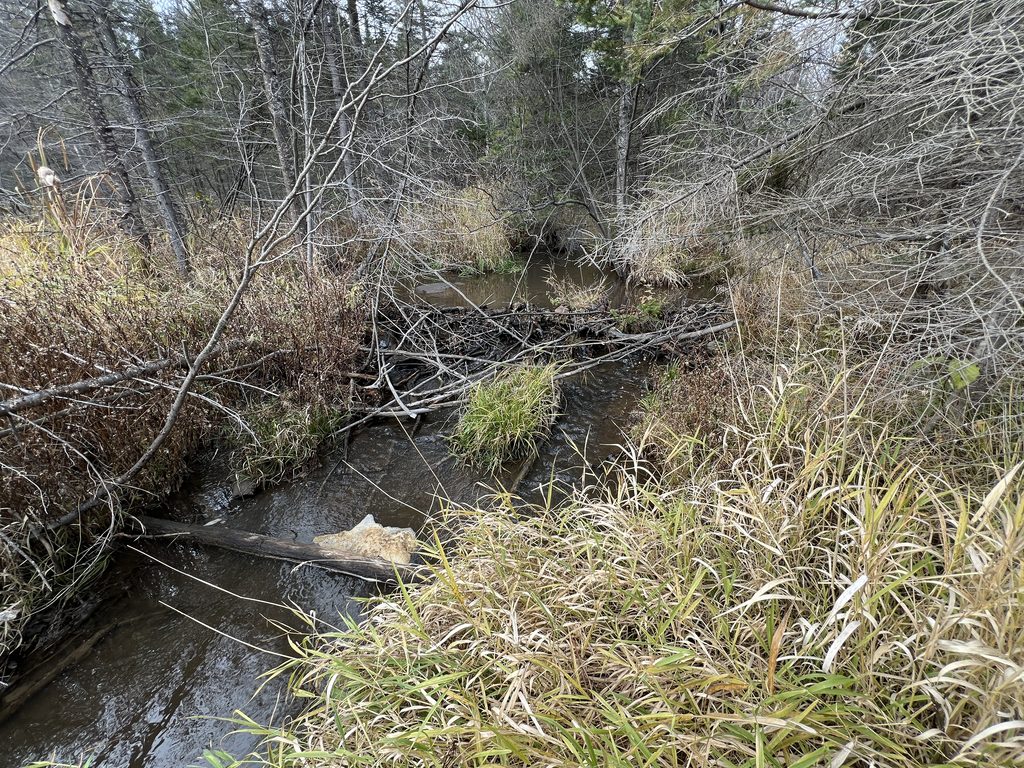
A Zero Order Stream refers to water at the very top of the watershed. It typically flows out of a wetland, seep, or drainage swale before any formal stream order and cross-section with a defined bed, bank and bankfull elevation begins.
What Is a Stage Zero System?
A Stage Zero System refers to a multi-thread channel system in which water spreads across a floodplain or wetland complex through several smaller channels instead of one defined path.
This concept has generated real debate among restoration practitioners. Traditional stream restoration often aims to create one stable channel, but a Stage Zero design intentionally allows a stream to spread across multiple threads.
The Jurisdictional Gap
In theory, the top of a watershed is the easiest point to protect. Controlling water quality and flow at the source compounds downstream effects.
Every watershed science class teaches this principle. Yet the regulatory tools used to grant conservation credit do not reflect it.
The Army Corps of Engineers jurisdiction requires a defined stream cross-section with a bed and bank to grant credit for a stream restoration or protection project. Water flowing out of a wetland or drainage swale at a zero order point rarely meets that definition. There is no clearly defined channel, no measurable banks, and no single cross-section to reference.
As a result, one of the most valuable zones in a watershed becomes difficult to credit, regardless of the protection it would provide.
When the Tool Can’t Measure the System
A second issue adds to this problem. The Stream Quantification Tool (SQT), widely used to measure and credit stream restoration projects, calculates metrics based on one identifiable flow path.
Although Zero Order and Stage Zero systems are the naturally occurring sources of classic single thread stream channels , the SQT struggles to quantify them because it was designed to only measure single, clearly defined channels rather than smaller multiple-thread channels.
This creates a frustrating outcome: the more ecologically functional a restored system becomes, the harder it may be to measure and credit using current methods.
Open Questions Worth Asking
While we don’t have a solution to this problem (yet), the problem has brought up some questions worth asking:
- How could zero order and Stage Zero systems be quantified in a way that satisfies existing regulatory requirements?
- How could jurisdictional bodies and their tools evolve to recognize the value of these systems?
To improve mitigation efforts, we believe questions like these deserve a place in conversations among practitioners, regulators, and tool developers for years to come.
Don’t Abandon a Project Before Talking to Us
If your project might fall into this gray zone, don’t give up just yet!
There are often alternative mechanisms available to help protect zero order systems, even when the traditional path to credit is not available. We may be able to get creative with your application, like pursuing a wetland credit instead of a stream credit where applicable.
Contact us today to discuss next steps. We’d love to come take a look before you pass up a potentially ecologically beneficial opportunity.
Recent Comments