
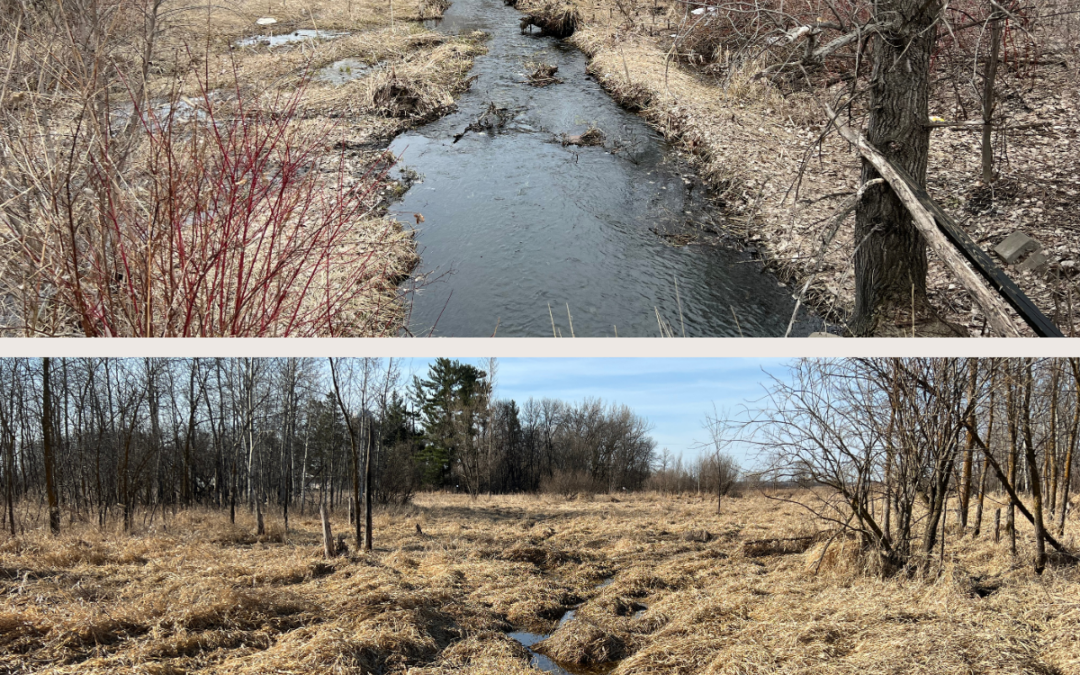
If you’ve spent any time in the stream restoration world lately, you’ve probably heard the debate heating up: Stage Zero vs. traditional channel design. It’s the kind of conversation that gets practitioners fired up at conferences and generates long threads in professional forums – and for good reason. The stakes are high, and both sides make valid points.
Here’s where things stand, and why the answer might be less about picking a side and more about asking better questions.
Two Philosophies, One Goal
At its core, the debate comes down to how we think about a stream’s job.
Form-based restoration is the more traditional approach. It focuses on designing a defined channel with specific shapes, dimensions, and configurations. It’s engineered, predictable, and gives clients a clear picture of what the finished project will look like. For many sites, it works well.
Process-based restoration, including the increasingly discussed Stage Zero approach, takes a different view. Rather than engineering a finished channel, Stage Zero aims to recreate the broad, wetland-complex conditions that exist before a stream channel even forms. It essentially hits the reset button and lets natural processes shape the stream over time.
Proponents argue that the process-based approach creates more ecologically authentic outcomes. Critics raise fair concerns about unpredictability, timeline, applicability with current regulation, and whether the approach translates across different landscape contexts.

The Climate Variable
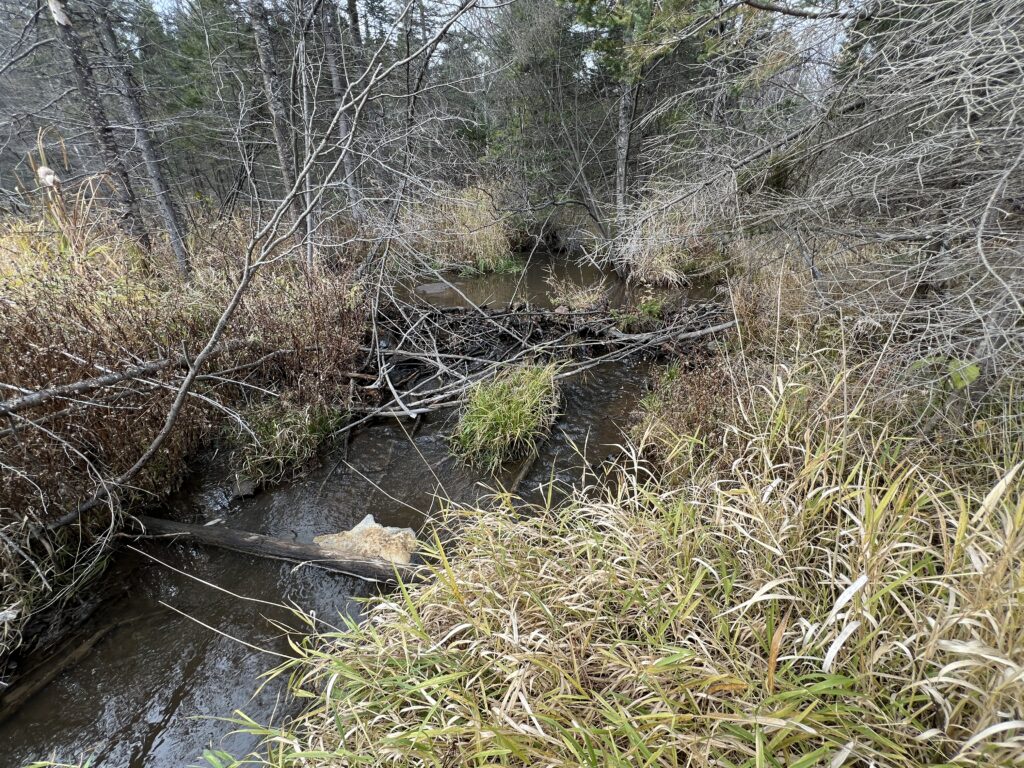
Whichever methodology you choose, there’s a pressure test every restored system has to pass: Climate resilience.
Shifting precipitation patterns, warming trends, and increasingly variable hydrology mean that a restored stream or wetland complex is competing against historical conditions we’re still working to understand. That reality demands flexibility in design, humility about outcomes, and a long-term commitment to monitoring and adaptation.
At Midwest Wetland Improvements, our approach has always centered on matching restoration techniques to site-specific conditions rather than defaulting to a single playbook. The best restoration work is informed by data that is collected before, during, and long after a project is complete.
The Takeaway
Stage Zero isn’t a silver bullet, and neither is traditional channel design. The restoration professionals who will drive the field forward are those willing to stay curious, rigorously track results, and let the data guide their decisions.
Have a stream, wetland, or waterway you’re stuck on? Let’s talk. We’d love to walk your property and explore what’s possible.
Recent Comments