
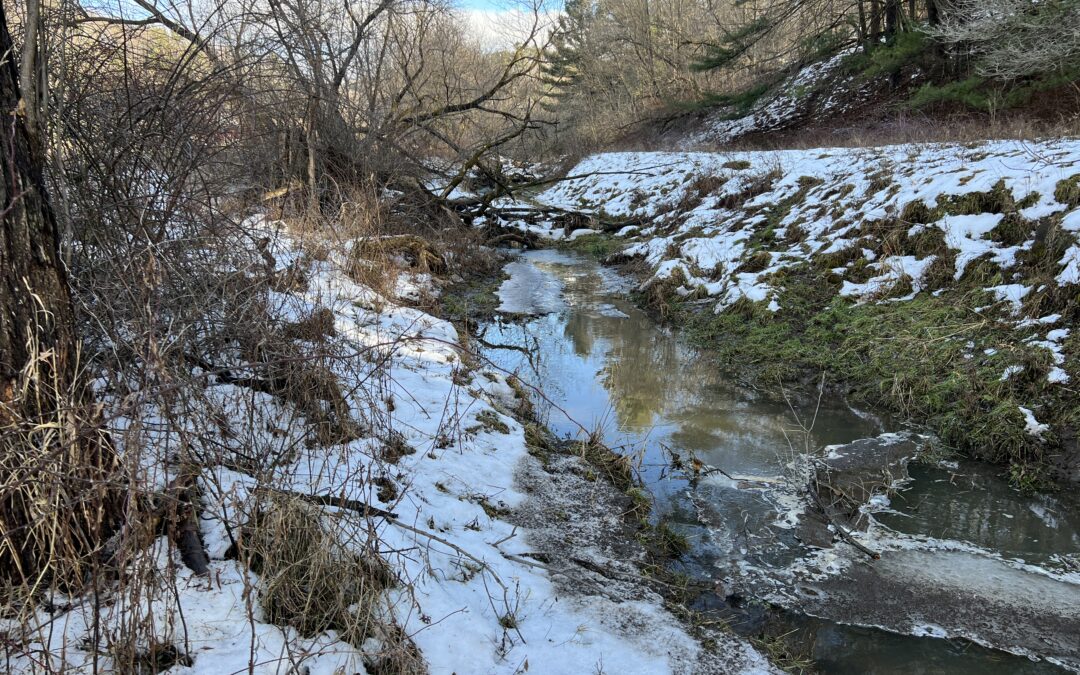
Stream mitigation banking sounds like a compelling opportunity on paper: Restore degraded land, generate sellable credits, and create lasting conservation value.
And it genuinely can be all of those things. But there’s a question that doesn’t get asked nearly enough before a landowner signs on the dotted line: Does the project actually make financial sense?
At Midwest Wetland Improvements, we’ve been working through exactly this question with clients, and the answer is more nuanced than most people expect.
The Hidden Cost Nobody Talks About: Taxes
Everyone talks about the revenue potential of stream mitigation banking. Fewer people talk about what happens to your tax bill.
Here’s the issue: When you enter a mitigation banking project, your land is placed under a permanent conservation easement. The restoration work significantly improves the ecological value of that land. And in many cases, particularly in Wisconsin, that improvement can trigger a reclassification of your land-use category. What started as pasture land, for example, may be reclassified from agricultural to recreational property once restored and revegetated.
In Wisconsin, that distinction isn’t minor. That reclassification can increase your property tax rate by roughly six times what you were previously paying.
So when you’re calculating your return on investment, that’s a number you cannot afford to overlook. The credit revenue may look attractive at first glance, but if your annual tax burden increases substantially, the long-term economics of the project quickly shift.
We want to be clear: We are not tax professionals, and every landowner’s situation is different. Talk to a qualified tax advisor before moving forward with any mitigation banking project. But this is a real and important complexity we’ve encountered, and we think more landowners deserve to have this conversation early.
So What Makes a Strong Stream Mitigation Bank Site?
Tax efficiency is one piece of the puzzle. The other is making sure the land itself is a strong candidate to begin with. Not every site is created equal, and the best stream mitigation bank sites tend to share a few defining characteristics:
- Degraded hydrology that can be naturally restored: Incised channels, disconnected floodplains, and straightened or ditched streams all represent real restoration opportunity
- Strong watershed need: Sites located within service areas where credit demand is active and aligned with regional ecological priorities
- Size and landscape connectivity: Large enough to support meaningful ecological function and ideally connected to existing natural corridors
- Manageable land ownership and constructability: Single ownership, clear easement potential, and practical access for restoration work
- Long-term stewardship compatibility: Surrounding land use that supports monitoring, invasive species management, and the conservation goals of the bank
When a site checks these boxes and the financial picture works for the landowner, stream mitigation banking can be a genuinely powerful tool for conservation and revenue generation alike.
The Right Questions Lead to the Right Projects
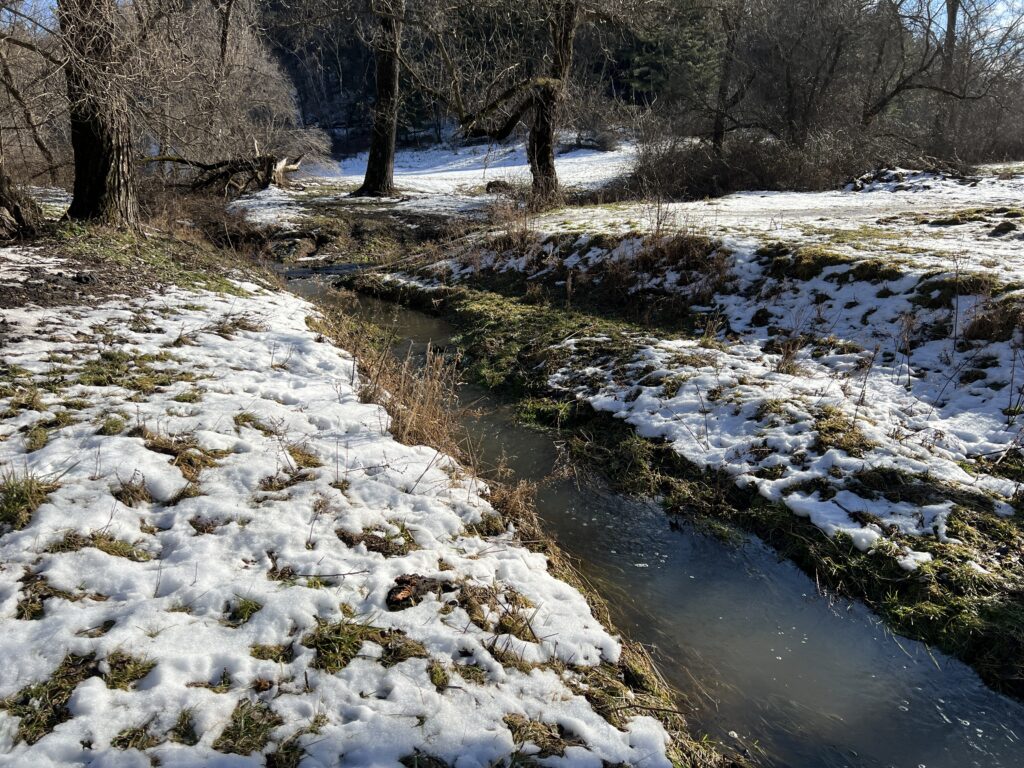
The goal of this piece isn’t to discourage landowners from exploring mitigation banking. It’s to encourage them to ask better questions up front, because the projects that succeed are those built on a clear-eyed evaluation from the very beginning.
If you’re curious whether your land could support a stream mitigation bank, or if you’re already evaluating a project and want a second set of expert eyes on the economics and site suitability, Midwest Wetland Improvements is here to help. Schedule a consultation with our team and let’s have an honest conversation about what’s possible – and what it will really cost.
Recent Comments