

If you’ve noticed erosion along your property’s waterway or want to improve aquatic habitats, stream restoration might be the solution you need.
This can be a complicated task, so let’s break down the process, timeline, and costs to help you plan effectively for this important environmental investment.
What Is Stream Restoration?
Stream restoration is the process of re-establishing a stream system’s structure, function, and self-sustaining behavior to either pre-disturbance conditions or new stable conditions if there has been a permanent alteration to the system.
It’s a holistic approach that requires understanding both the physical and biological components of the stream system and its surrounding watershed.
Why Consider Stream Restoration?
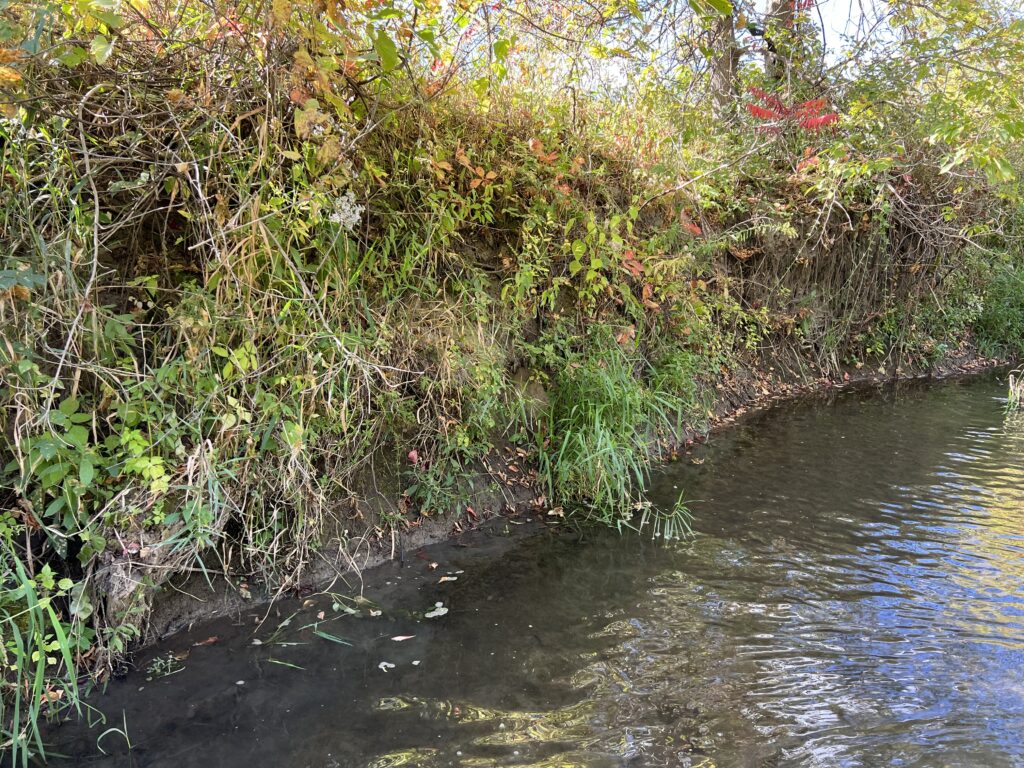
Property owners typically pursue stream restoration for several key reasons:
- protecting property and structures from erosion
- improving fish habitats
- removing outdated dams
During a typical project, stream ecologists will perform an assessment to determine causes of erosion or instability. From there, we’ll focus on designing a plan and work on obtaining permits before moving onto the bidding and construction phase. Continual monitoring and additional prescribed touch-up work will help preserve your project’s success.
Project Timeline Expectations
Stream restoration isn’t a quick fix. While every project is different, here is a typical timeline to expect:
- Initial Assessment: 7 days
- Feasibility Study: 30 days
- Grant Sourcing: 12 months
- Permitting: 6-18 months
- Final Design: 1 month
- Construction: A few weeks to several months, or even multiple years depending on the size and complexity of your project
Once your final construction is completed, you’ll also need to allow a few weeks for maintenance. Since nature is always evolving, a long-term monitoring and adaptive management plan should also be developed and continue as long as your budget allows.
Navigating the Permitting Process
The permitting process can significantly impact your timeline and project scope. The regulatory process varies by project and can become complicated, which is why it helps to work with professionals who navigate the process often and understand what to expect.
The timeline varies, but typically, you can expect permits to take:
- Local governments (cities, counties, watersheds) – 1-3 months
- State Department of Natural Resources (DNR) – 6-9 months
- Army Corps – 9-18 months
Due to current regulations, some traditional practices are no longer permitted. For example, streams can no longer be placed into pipes. In fact, the team here at Midwest Wetland Improvements are now actively restoring piped streams back to natural channels.
Cost Considerations
Cost considerations are another big part of preparing for your stream restoration project. It’s always important to go into your project with a clear budget in mind.
The average cost runs about $140 per linear foot, which doubles if work touches both sides of the stream. Several factors influence pricing, including tree clearing requirements, availability of materials on-site for reuse, and local material availability.
Fortunately, funding opportunities exist through cost-sharing programs with local counties and watersheds, state grants (especially Minnesota’s Clean Water Legacy Fund), and federal funds.
What to Expect During Your Project
Stream restoration is a natural process, and teams don’t always get it precisely right the first time. Construction completion doesn’t guarantee success. A large rainstorm can wash away work before vegetation establishes, or wet seasons may cause prolonged flooding that drowns out vegetation that hasn’t reached mature height.
Corrections may be necessary, requiring careful analysis to understand what happened, what the response means, or what unusual weather forced adjustments. Your team should always conduct departure analysis on every project to ensure results fall within normal parameters of expectations.
Restore Your Stream with Midwest Wetland Improvements
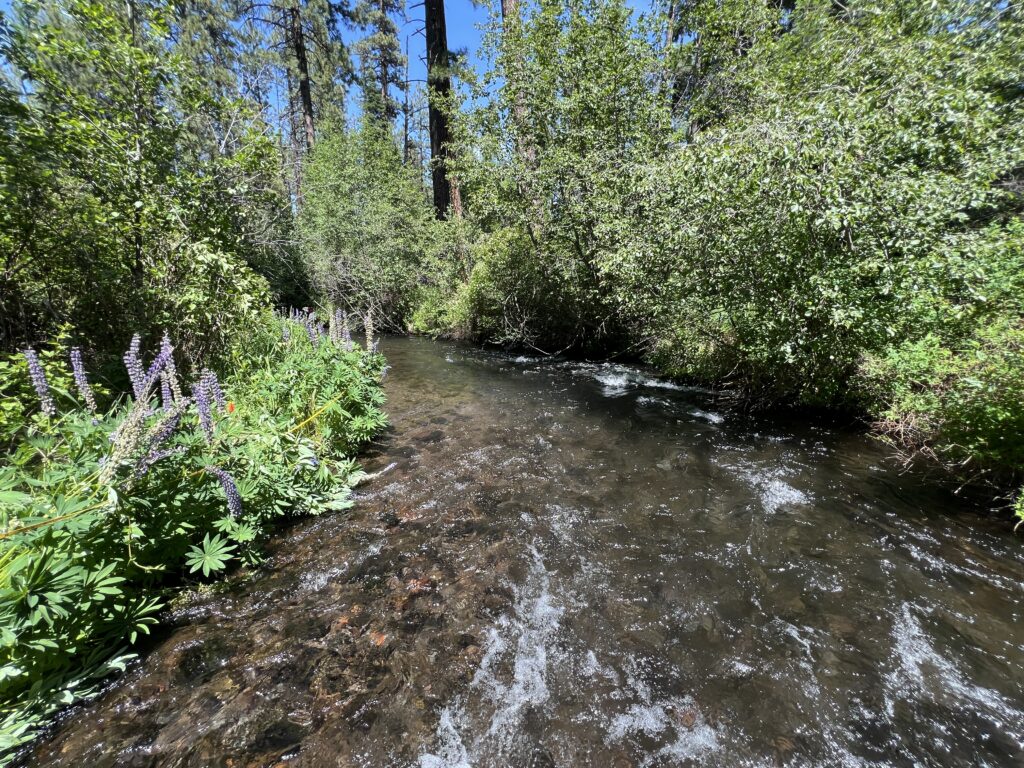
Understanding these realities helps set appropriate expectations for your stream restoration journey. With proper planning, realistic timelines, and patience through the permitting process, you can successfully restore your waterway to a healthy, self-sustaining ecosystem.
Do you need help navigating this complicated process? Our team is experienced, knowledgeable, and ready to help. Reach out today to discuss your unique project!
Recent Comments